
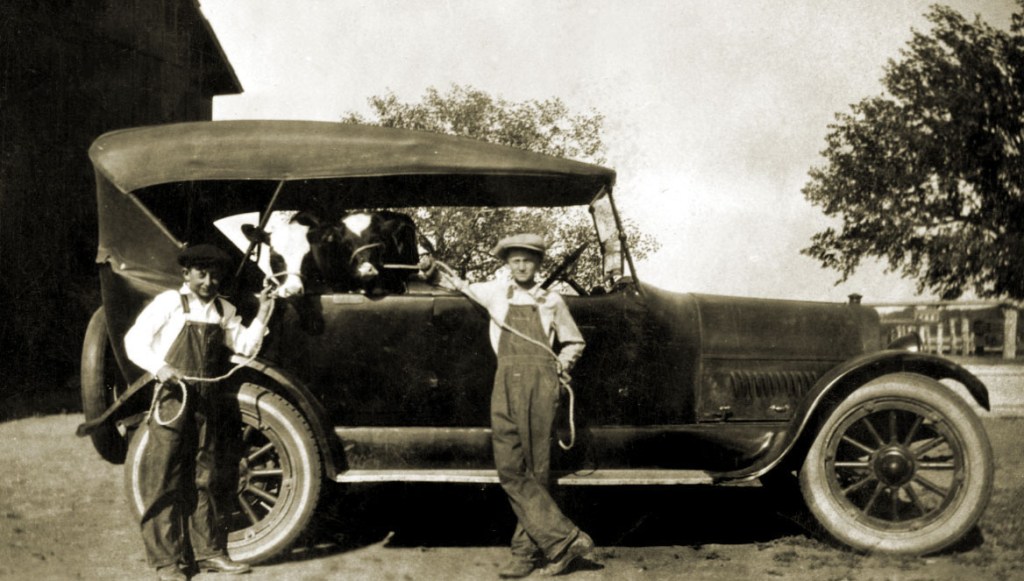
A century ago, my grandmother Mary Lienert knew firsthand about freedom of mobility — both the upside and the downside.
The purchase of a family automobile confined, rather than freed this young Nebraska farm wife, who never learned to drive. Before then, my father Bob Lienert wrote in a 1979 essay, my grandmother’s principal mode of transportation was her buggy horse.
When Mary wanted to visit a neighbor or go to town, “she’d whistle for her horse and he’d come to the barn,” my father recalled. “She could harness him and hitch him to the buggy, and be on her way. As a result, she was more independent than were many farm wives.”
Eventually, the horse was replaced by the car — and my grandmother lost her principal means of mobility.
Freedom of mobility is a common thread that runs through our family.
My dad — Mary’s youngest child — attended a one-room school located some distance from the family farm. At age 14, Bob got his first set of wheels: A vintage Ford Model T that he drove back and forth from that country schoolhouse, even in the dead of winter.
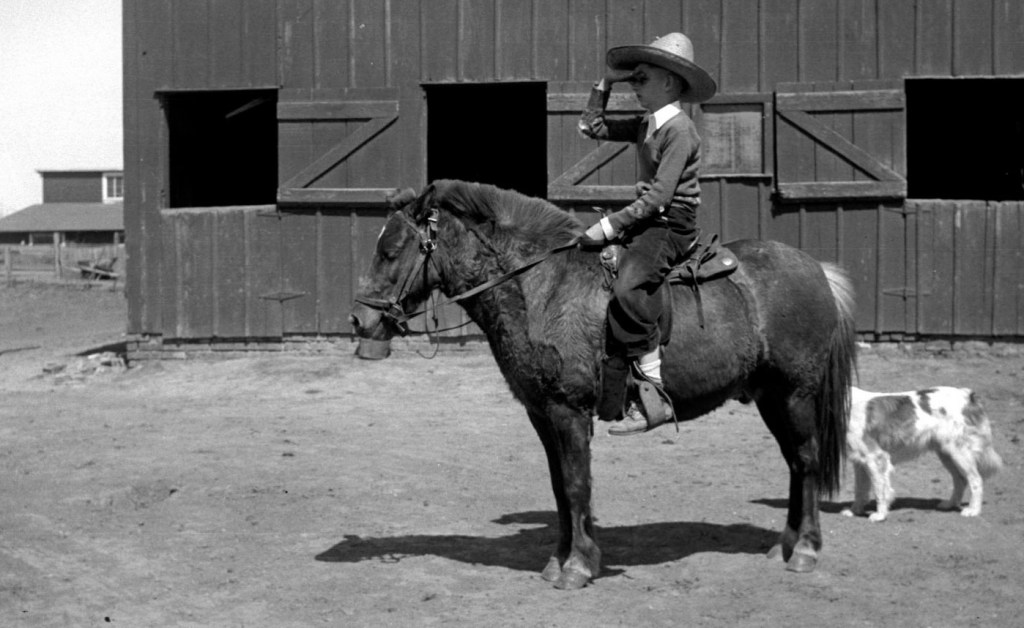
When I turned 16, the legal driving age in Michigan, I craved my own vehicle, especially after learning how to drive in the family station wagon. My dad found just the ticket: A well-used 1965 Ford Fairlane with a 289 V8 and a manual transmission (“three on the tree” as the column-mounted shifter was known back then). According to the used-car dealer who sold us the vehicle, it belonged to “an old farmer from Richmond.”
Both our sons attended a private high school nearly an hour from our home. Since both parents were working, Anita sent me out with elder son Dan to buy “a low-priced car” for the daily commute. To her horror, we returned with a bright blue Ford Ranger compact pickup, complete with flames down either side. That was the first and last time Dan and I were allowed to go car shopping by ourselves.
I don’t mean to turn this into a Ford commercial; our family has owned many different brands and vehicle types over the years. But now younger son Phil owns a Ford Maverick pickup, which also happens to be a personal favorite of his son Felix.
My five-year-old grandson cannot wait until he’s old enough to drive his dad’s truck. In the meantime, Felix has become quite an aficionado of electric vehicles and can spot — and correctly identify — a Tesla Cybertruck or a Rivian R1T from several blocks away.
I can’t help but wonder if my grandchildren’s children will have the same transportation choices that the rest of the family has had — or lost — over the decades. Some of those choices will hinge on where they live and work. Some choices may not even exist yet as we wait for new transportation technologies and modes to percolate and mature.
And some — I’m thinking specifically of vehicles with internal combustion engines that run on fossil fuels — may become obsolete before that generation learns how to drive.
Who knows? Felix’s child could wind up living in a “15-minute city” where most destinations are within walking — or biking — distance.
And no horse needed.
Photo: Nebraska farm boys weren’t always certain who — or what — to transport in cars. (from the Gerald Siefken Collection)
 felixstrategy.com
Leave a comment